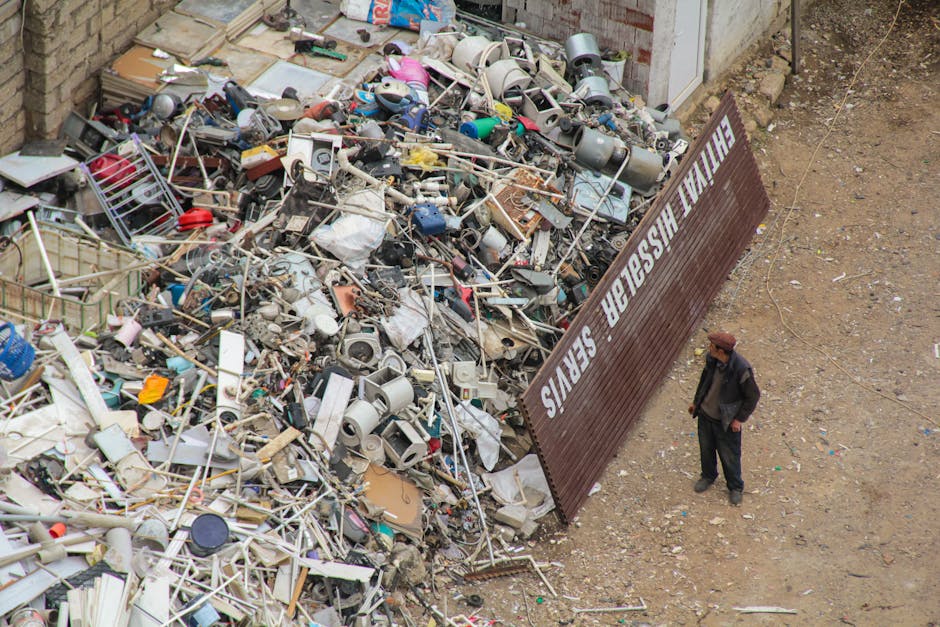
Islington bulky waste disposal rules for removals jobs: a practical guide for smoother, safer moves
If you are planning a move, clear-out, or flat refurbishment in North London, the Islington bulky waste disposal rules for removals jobs can save you time, money, and a lot of awkward backtracking. The problem is simple enough: removals work often produces items that are too large for normal bins, but not every bulky item can be left out, dumped, or handed over without checking the rules first. In a place like Islington, where access is tight and streets are busy, getting this wrong can create delays that ripple through the whole day. This guide explains what matters, how the process usually works, and how to handle bulky waste sensibly when you are coordinating a removals job.
We will keep this practical. No fluff, no mystery. Just the sort of advice that helps you decide what to remove, what to reuse, what to recycle, and what needs to be booked or arranged separately. And yes, the small details matter more than people think.
Why Islington bulky waste disposal rules for removals jobs Matters
Bulky waste becomes a real issue the moment a removals job involves old furniture, mattresses, white goods, broken shelving, office chairs, or mixed household items that are no longer wanted. In practice, those items cannot just be treated like ordinary rubbish. They need a plan. If you ignore that plan, you may end up with waste left on the pavement, extra handling time for the crew, or a last-minute scramble to find another disposal route.
That matters even more in Islington because many properties have narrow stairwells, shared entrances, permit-controlled streets, and limited stopping space. A sofa that looked manageable at 8 a.m. can suddenly become a problem by 10 a.m. when the lift is occupied, the van is waiting, and the hallway is already stacked with boxes. Truth be told, bulky waste is often less about the object itself and more about the logistics around it.
For removals teams, rules around bulky waste also protect the job from avoidable disputes. If a client expects everything to disappear, but the items were never scheduled for removal or disposal, the crew has to stop and clarify what is included. That can create tension. The best jobs are the ones where everyone knows what is going, what is staying, and what is being recycled or collected separately.
There is also a wider environmental side. Reusable furniture, metal, wood, and electrical items should not be treated as a single pile of junk. Separation helps reduce landfill use and keeps the job more organised. If you are already thinking about a cleaner move, it is worth reading about our recycling and sustainability approach and how that fits into everyday removals work.
How Islington bulky waste disposal rules for removals jobs Works
In plain English, bulky waste rules tell you how large unwanted items should be prepared, presented, and removed without causing obstruction, safety issues, or avoidable mess. For removals jobs, the practical process usually breaks into four parts: identify the waste, separate it from reusable items, choose the disposal route, and make sure the timing works with the move itself.
The exact route depends on the item type and the service you are using. Some people arrange a council-style bulky collection. Others use a removals firm that can take items away as part of a move or declutter. And in some situations, a same-day arrangement is the only sensible answer, especially when keys are changing hands or a landlord needs the place cleared quickly. If that sounds familiar, our same-day removals support can be useful for urgent situations.
For removals work, the details matter. A wardrobe broken down into panels is very different from a fully assembled wardrobe. A mattress with no protection is different from one that has been wrapped and kept clean. A fridge-freezer may need appliance handling, while office filing cabinets may need safe lifting and careful routing through shared areas. None of this is difficult on its own, but it becomes messy when you mix everything together.
A good removals team will normally look at:
- what needs to go
- whether the item can be reused or donated
- what can be recycled
- how much van space is required
- whether parking or loading access will affect disposal timing
- if there are safety or manual handling concerns
If the job includes heavier pieces, it helps to plan the lifting and carry route early. Our guide to kinetic lifting is a useful background read if you want to understand how sensible body movement reduces strain during removals.
Key Benefits and Practical Advantages
Following the rules is not just about avoiding trouble. It makes the whole job cleaner, quicker, and less stressful. That sounds obvious, but in removals work the obvious things are often the ones people skip.
First, it reduces delays. If bulky items are identified early, the crew can bring the right tools, allocate the right amount of van space, and avoid awkward reshuffling halfway through the day. A job that starts with a clear disposal plan tends to run more smoothly. You will notice the difference by lunchtime.
Second, it lowers the risk of damage. When old furniture is left in hallways or stacked in temporary spots, it gets in the way of clean loading. That means more lifting, more turning, and more chances for scuffs on walls or door frames. In a tight Islington staircase, that is a bigger issue than most people realise.
Third, it supports better cost control. The less last-minute disposal work you need, the less likely you are to pay for extra time, extra labour, or multiple trips. This is especially relevant for people comparing different move styles. If you are weighing a budget option against a fuller service, our cheap removals vs full-service cost comparison offers a helpful way to think about the trade-offs.
Fourth, it makes handover easier. Landlords, estate agents, and incoming occupants usually prefer a space that is empty, swept, and ready. A well-managed bulky waste plan gets you closer to that finish line. There is a very real relief in closing the front door for the last time and knowing there is nothing left behind. Very satisfying, honestly.
Who This Is For and When It Makes Sense
This topic is relevant to far more people than just full-house movers. If you are handling any kind of clearance alongside a move, the rules matter.
- Tenants who need to leave a property clear and tidy
- Homeowners replacing furniture or clearing storage rooms
- Landlords preparing a flat for the next resident
- Letting agents arranging rapid end-of-tenancy turnover
- Businesses replacing desks, chairs, filing units, or archive furniture
- Students leaving behind unwanted furniture at the end of a term
It also makes sense whenever you are moving in phases. For example, a family may move the main furniture first, then return later for remaining items after a storage period. In that sort of situation, bulky waste needs to be separated from items going into storage. Our storage options and the practical advice in decluttering before a move can work hand in hand.
It is also worth mentioning very short-notice jobs. If you have only a few hours, the aim is not perfection. The aim is to stop the job from getting blocked by a single broken wardrobe or old sofa. That is where a calm, simple decision tree helps more than a long list of maybe-somedays.
Step-by-Step Guidance
Here is a straightforward way to handle bulky waste in a removals job without overcomplicating it.
- Walk through the property first. Make a room-by-room list of anything that will not be moving to the new address.
- Sort items into three groups. Keep, dispose, or review. The review pile is for things that might be sold, donated, or recycled.
- Check whether items need dismantling. Flat-pack furniture, bed frames, and shelving often move better in pieces. If you are dealing with bedroom furniture, our bed and mattress moving tips are worth a look.
- Identify awkward or heavy objects. Piano, fridge, filing cabinet, old wardrobe, or oversized mirror? Flag it early. That avoids a lot of swearing on the day.
- Separate recyclable from non-recyclable waste. Wood, metal, cardboard, and some electrical items may be handled differently from general rubbish.
- Confirm access and timing. Think about lift use, parking, loading bays, and any restrictions in the street.
- Wrap or protect what is being moved. Even waste items can damage walls and floors if they are dragged carelessly.
- Load in the right order. Usually the heaviest and least flexible items go first, but that depends on the route and van layout.
- Leave a final sweep-through. Check cupboards, under beds, and behind doors. You would be amazed what gets forgotten in the rush.
If a property is cluttered or overfilled, it helps to combine disposal planning with packing discipline. Our efficient packing advice and packing materials support can make the job calmer from the start.
Expert Tips for Better Results
After enough removals jobs, a few patterns become obvious. The people who plan the bulky waste early tend to have the least stressful move day. Simple as that.
Label waste early, not late. A piece of tape on a sofa or box that says "dispose" sounds a bit basic, but it saves time when several people are helping. Nobody has to ask, "Is this coming with us?" every five minutes.
Don't leave bulky waste until the final hour. Once the van is packed, there is less room for unwanted items than people expect. If you are moving from a flat with limited access, think about disposal before the furniture starts coming down the stairs. Our flat removal service is designed with those awkward layouts in mind.
Take photos of awkward items. A quick phone picture helps when you are assessing size, condition, and whether dismantling is required. That is especially useful for old desks, wardrobes, or large shelving units.
Protect the route. Use floor coverings or simple protective measures where needed. Heavy waste can be rough on old hallways, and Islington properties often have tight corners that show every bump.
Be honest about condition. A broken chair leg, swollen chipboard, or a fridge that no longer works can change the disposal method. It is better to say that up front than discover it while the van is already loading.
Plan for one awkward item to be the problem item. It nearly always happens. The sofa looks straightforward, then the corner sofa block becomes the bottleneck. Or the wardrobe is light but too tall for the landing. One item can stall the entire process if nobody has thought it through.
Common Mistakes to Avoid
These are the missteps that create most of the pain.
- Mixing keep and dispose piles. Once that happens, confusion spreads fast.
- Assuming every large item can go in the same way. Mattresses, electricals, timber furniture, and white goods often need different handling.
- Ignoring access restrictions. A van can only do so much if the street is blocked or parking is impossible.
- Forgetting dismantling tools. It seems minor until nobody can remove the bed frame bolts.
- Leaving disposal decisions to the last minute. This is the big one. It is how a tidy move turns into a messy afternoon.
- Underestimating weight and awkward shapes. Bulky does not always mean heavy, but it often means awkward.
- Assuming the property will be left clean enough by default. It usually is not. Someone needs to do the last check.
If the issue is more about safe handling than disposal itself, our guide to lifting heavy objects safely is a smart companion piece.
Tools, Resources and Recommendations
You do not need a van full of specialist kit, but the right basics make a real difference.
- Gloves for grip and protection
- Straps or lifting aids for controlled carrying
- Blankets and wraps to protect furniture and walls
- Basic tools for dismantling beds, shelves, and tables
- Marker tape for clear sorting
- Bin bags or boxes for smaller waste items
- Phone camera for item records and access photos
For larger or more delicate pieces, a specialist removals approach is often safer than trying to improvise. That is true for upright items, tight staircases, and bulky furniture with glass, mirrors, or unfinished edges. If you are moving a piano, for example, it is best to treat it as a separate planning task. Our piano removals service and the related piano moving advice can be helpful for understanding why.
On the admin side, it also helps to know what your provider covers. A clear service outline, insurance information, and fair booking terms give everyone confidence. If that matters to you, take a look at insurance and safety and our terms and conditions before you book anything. Not thrilling reading, I know, but useful.
Law, Compliance, Standards, or Best Practice
Without turning this into a legal seminar, there are a few sensible principles to keep in mind. Bulky waste should never block public pathways, create a hazard, or be abandoned in a way that risks fly-tipping concerns. In London, that is not just poor form; it can become a serious inconvenience for everyone involved.
For removals jobs, best practice usually means:
- keeping waste on private property until collection or loading
- making sure the route is safe for workers and residents
- separating reusable items from disposal items where practical
- avoiding contaminated loads where clean recycling is possible
- checking any building rules, lift booking requirements, or estate access conditions in advance
Manual handling is another important part of the picture. Heavy or awkward items should be moved with proper technique, enough people, and a sensible route. It sounds obvious, but rushing is how people strain backs and knock corners off furniture. Our health and safety policy and practical article on kinetic lifting reflect that real-world approach.
One more thing: if you are unsure whether an item counts as bulky waste, recyclable material, or an item that needs separate handling, treat it as a question worth asking before the move starts. A five-minute check can save an hour later. That is not an exaggeration.
Options, Methods, or Comparison Table
There are usually three practical ways to deal with bulky waste during removals. The best choice depends on timing, quantity, access, and how much hands-on help you want.
| Method | Best for | Pros | Watch-outs |
|---|---|---|---|
| Separate bulky waste collection | Single items or small amounts | Clear process, simple planning | Needs advance booking and correct preparation |
| Removals team handling disposal | Moves with mixed furniture and waste | Convenient, fewer handovers, easier scheduling | Confirm what is included before the job starts |
| Self-managed disposal and recycling | Small, flexible jobs with time to spare | Can be cost-conscious and controlled | More labour, more coordination, more trips |
For many local jobs, a mixed approach works best. Keep the items you need, move the items you want, recycle what can be recycled, and remove only the bulky waste that genuinely belongs in the disposal stream. If you are moving a studio or one-bed flat, that balance matters a lot. Our studio removals cost breakdown is useful for understanding how small choices shape the final bill.
Case Study or Real-World Example
Here is a typical Islington-style scenario, the kind that comes up all the time.
A tenant in a third-floor flat is moving out on Friday morning. They have a bed frame, two old chairs, a coffee table, a mattress, and a small broken cabinet they do not want to take to the new place. The street is busy, the hallway is narrow, and the lift is shared with other residents who are also using it at peak time. Classic London situation, really.
The first step is to separate the disposal items before anything else gets touched. The mattress and bed frame are identified for removal; the coffee table is checked to see if it can be dismantled or reused; the cabinet is confirmed as waste; and the chairs are assessed for condition. One chair is actually fine, so it is set aside for donation. That one decision saves space in the van and reduces waste.
Next, the moving team plans the sequence. The bulky waste is carried down first while the route is still clear, then the kept furniture follows. A floor covering protects the hallway, and the van is loaded with heavy, awkward items before the boxed household items. By the time the final sweep is done, the flat is empty and the tenant is not standing there at 4 p.m. wondering where the last screw went. That happens more often than people admit.
If the client had tried to do it all at the very end, the mattress would likely have been the thing that slowed the entire job. Instead, planning early turned a stressful move into a fairly ordinary one. Which, to be fair, is exactly what most people want.
Practical Checklist
Use this before the removals team arrives.
- Identify every item that is leaving the property
- Separate keep, donate, recycle, and dispose piles
- Measure any awkward furniture or appliances
- Check whether items need dismantling
- Confirm lift access, stairs, and parking arrangements
- Set aside tools, tape, and wrapping materials
- Protect floors and corners where needed
- Keep important paperwork and valuables apart from disposal items
- Double-check cupboards, loft spaces, and under beds
- Make sure everyone involved knows what is being removed and what is not
That last point sounds almost too simple, but it prevents endless confusion.
Conclusion
The main thing to remember is this: bulky waste disposal is not a side issue in removals jobs, it is part of the job. When you handle the Islington bulky waste disposal rules for removals jobs properly, you get a move that feels more orderly, safer, and far less rushed. You also reduce the chance of awkward last-minute decisions, which is where most problems begin.
In a busy borough, the smartest approach is usually the calmest one. Sort early, label clearly, keep access in mind, and decide what truly needs to be removed before the van ever turns up. That way, the day feels manageable instead of chaotic. And that little bit of control makes a bigger difference than people expect.
If you want help planning the practical side of a move, from packing and access to disposal and careful handling, speak to a team that understands local removals properly. For a broader sense of how we work, see our services overview and about us page, or get in touch through the site when you are ready.
Get a free quote today and see how much you can save.
Frequently Asked Questions
What counts as bulky waste in a removals job?
Bulky waste usually means large items that will not fit in normal household bins. In removals work, that often includes sofas, mattresses, wardrobes, tables, white goods, broken furniture, and similar oversized items.
Can I leave bulky waste on the pavement outside my property?
No, not as a default plan. Leaving items outside can create obstruction, safety issues, or other problems. It is better to keep bulky waste on private property until it is being collected or loaded properly.
Should I tell my removals company about bulky waste in advance?
Yes. Always. Early notice helps with van space, labour planning, dismantling tools, and timing. If you forget until moving day, the job can become slower and more expensive.
Is it cheaper to dispose of bulky waste myself?
Sometimes, but not always. Doing it yourself can save money if the load is small and you have time and transport. For mixed removals jobs, using one team for both moving and disposal is often simpler and can be better value overall.
What should I do with furniture that is still usable?
If it is in good condition, consider reusing, donating, or selling it before treating it as waste. That reduces disposal volume and may make the move cleaner. It also feels better, honestly.
Do mattresses need special handling?
Often, yes. Mattresses are bulky, awkward, and not very forgiving when carried through narrow halls. They are also easier to damage or dirty, so wrapping and careful route planning help a lot.
How do I handle bulky waste in a flat with narrow stairs?
Measure the item, check the route, and decide early whether dismantling is required. In narrow-access properties, it is often smarter to remove bulky items before the rest of the load gets in the way.
What if I have a fridge, washing machine, or other appliance?
Appliances need careful handling because they are heavy and can have residual water or awkward cables. Make sure they are disconnected safely and that the team knows exactly what is being moved or disposed of.
Can bulky waste slow down the whole removals day?
Absolutely. One badly planned item can block a hallway, delay loading, or force the team to change the sequence. That is why early sorting is so valuable.
How early should I plan bulky waste disposal before moving day?
As early as possible. A few days in advance is far better than the morning of the move. Even a short planning window can help if you are clear about what needs to go.
What is the safest way to move heavy bulky items?
Use proper lifting technique, enough people, and the right equipment. If an item feels too heavy or too awkward, that is a sign to slow down, not push through. There is no prize for a sore back.
Can a removals team also help with packing and decluttering?
Yes, and that can make the whole process much easier. Packing, decluttering, and disposal planning work best together, especially in homes where every inch of space counts.
What should I check before booking a removals job with waste removal included?
Check what is included, what is excluded, how bulky items are handled, whether dismantling is covered, and how access or parking might affect the job. Clear expectations make for a far smoother day.