Bunhill Fields Narrow Access Removals Solved: A Practical Guide for Tight London Moves
Moving in and around Bunhill Fields can look simple on a map, then suddenly turn awkward the moment you meet a narrow stairwell, a shared hallway, a basement landing, or a front door that barely clears a wardrobe. That is exactly where Bunhill Fields narrow access removals solved becomes less of a phrase and more of a real moving strategy. In this kind of move, success is not about brute force. It is about planning, timing, measuring properly, and using the right team and equipment for the job.
If you are dealing with a tight entrance, a top-floor flat, an office with limited loading access, or a bulky item that simply refuses to cooperate, this guide walks you through the practical side of getting it done properly. We will look at what narrow access removals actually involve, how they are solved in the real world, what can go wrong, and how to make the move feel calmer from start to finish. To be fair, in London these jobs are rarely about perfection. They are about making smart decisions before the sofa meets the staircase.
For a broader look at moving services in the area, you may also find the company's services overview useful, especially if you are comparing different move types or trying to work out where your job fits. If your move involves a flat, a home, or a mix of furniture and awkward access, the details really matter.
Table of Contents
- Why Bunhill Fields narrow access removals solved Matters
- How Bunhill Fields narrow access removals solved Works
- Key Benefits and Practical Advantages
- Who This Is For and When It Makes Sense
- Step-by-Step Guidance
- Expert Tips for Better Results
- Common Mistakes to Avoid
- Tools, Resources and Recommendations
- Law, Compliance, Standards, or Best Practice
- Options, Methods, or Comparison Table
- Case Study or Real-World Example
- Practical Checklist
- Conclusion
- Frequently Asked Questions
Why Bunhill Fields narrow access removals solved Matters
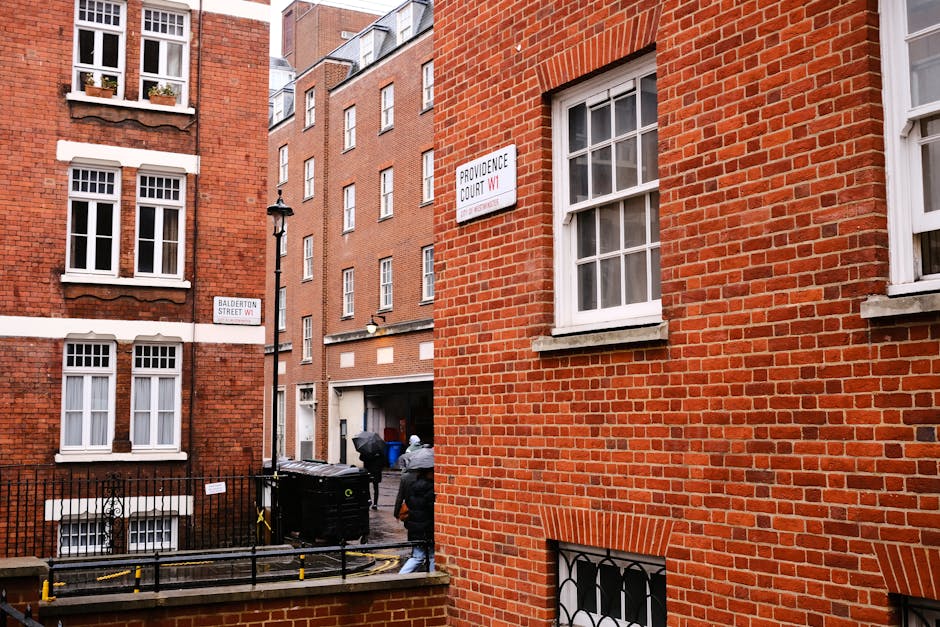
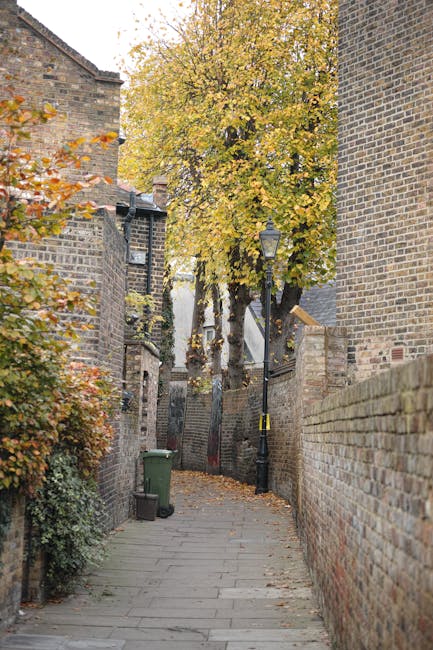
Narrow access changes the whole shape of a move. A job that would be straightforward in a modern, wide-lobby building can become fiddly in a moment when you are dealing with Victorian staircases, tight turns, restricted parking, low ceilings, or a corridor lined with radiators and door frames. Around Bunhill Fields and the surrounding Finsbury streets, that sort of layout is not unusual.
Why does it matter so much? Because narrow access affects almost every part of the move: how items are measured, what can be dismantled, how the team loads the van, whether protection is needed on walls and floors, and how long the process takes. A move that ignores access issues can quickly become stressful, noisy, and expensive. A move that plans for them tends to feel controlled, even if the building itself is a bit of a puzzle.
It also matters for safety. Large furniture does not forgive bad angles. Neither do glass table tops, washing machines, or pianos. If you have ever watched a wardrobe get stuck halfway down a stairwell, you already know the feeling. Nobody wants that moment. Nobody at all.
For people comparing local moving support, it can be helpful to look at man and van services in Finsbury as a flexible option for compact moves, smaller deliveries, or jobs where access needs a careful, hands-on approach. For larger family homes or mixed loads, the house removals Finsbury page gives a clearer picture of how bigger relocations are handled.
Expert summary: Narrow access removals are won before moving day, not during it. Measure the route, simplify the load, protect the property, and choose a crew that understands tight spaces. That is the difference between a smooth handover and a long, frustrating afternoon.
How Bunhill Fields narrow access removals solved Works
The basic idea is simple: you reduce uncertainty before the van arrives. In practice, that means mapping the route from the front door to the van, identifying pinch points, and deciding whether items will fit intact or need partial dismantling. The best removals teams do not just turn up and hope. They arrive with a plan. Boring? Maybe. Effective? Absolutely.
A proper narrow access approach usually starts with a pre-move assessment. This can be done through photos, measurements, a quick call, or an in-person look at the property. The aim is to answer a few practical questions:
- Can the largest items fit through doorways, hallways, and stair turns?
- Is there enough clearance for the item to be tilted safely?
- Will any pieces need dismantling before the move?
- Do we need floor coverings, corner guards, or padding?
- Is parking or loading space likely to affect timing?
Once that is clear, the move can be staged. Smaller items are packed and labelled, fragile pieces are protected, and bulky items are prepared separately. In many cases, the trick is not speed; it is sequence. The wrong item moved first can block the route, while the right item moved first can make everything easier. A tiny detail, but it matters.
If packing is part of the problem, the guide to efficient packing during relocation is a useful companion read. Likewise, if you are trying to reduce load before moving day, the article on decluttering effectively can help you cut out items that would only slow a narrow-access move down.
There is also a physical side to the process. Tight access often means more carrying, more turning, and more controlled lifting. That is where proper technique and a bit of patience come in. If you want a clear explanation of body mechanics and safer handling, see kinetic lifting explained. It is one of those topics that sounds a bit technical until your back starts complaining. Then it suddenly makes perfect sense.
Key Benefits and Practical Advantages
When narrow access removals are handled properly, the benefits are immediate. You save time, reduce risk, and make the move feel much more manageable. But the real value is not just in speed. It is in avoiding the messy chain reaction that happens when one awkward item throws the whole schedule off.
- Less damage risk: Better route planning means fewer scuffed walls, dented doors, or scratched furniture surfaces.
- Better use of space: The right packing and loading order helps make the most of a small van or limited loading area.
- Lower stress: You know what is happening and when, which is a huge relief on moving day.
- More realistic timing: Access problems are built into the plan rather than discovered halfway through.
- Safer lifting: Controlled handling is much easier when the route has been thought through.
There is another practical advantage people sometimes overlook: narrow access planning can reduce the need for last-minute improvisation. And last-minute improvisation is where people get tired, rush things, and start saying things like "it should fit if we just angle it a bit". Usually, that sentence is the beginning of a longer conversation. Not a good one.
For furniture-heavy moves, the dedicated furniture removals service can be especially useful because it focuses attention on bulky, awkward pieces rather than treating them like just another box. If you are moving a flat with stairs or limited lift access, the flat removals Finsbury page is also worth a look.
And if the job has to happen quickly, perhaps after a tenancy change or a tight handover window, a same-day option can sometimes be the difference between control and chaos. That said, same-day work still benefits from good information upfront. The same-day removals Finsbury page gives a better sense of how urgent jobs are approached without cutting corners.
Who This Is For and When It Makes Sense
Narrow access removals are not just for dramatic "how on earth are we going to get that out?" moments. They make sense for a surprisingly wide range of people and property types.
You may need this kind of help if you are:
- moving from a basement flat with awkward steps or a narrow stairwell;
- leaving a top-floor property with no lift, or a lift that is too small for larger items;
- transferring furniture into or out of a period property with tight corridors;
- relocating office items in a building with restricted access times;
- moving bulky items like wardrobes, sofas, white goods, or beds through awkward spaces;
- trying to complete a move within a short booking window or on a busy street.
Students moving in and out of compact accommodation also run into these issues regularly, especially in central London buildings where the stairwell seems to have been designed by someone who disliked furniture. For smaller, time-sensitive moves, student removals in Finsbury can be a sensible fit. For businesses, office removals Finsbury is the more relevant option when desks, chairs, and filing units need careful handling through constrained access.
Sometimes the need is less about property type and more about timing. If your lease ends on Friday and the lift is out of action on Thursday, you need a calm plan quickly. Truth be told, that is one of the most common reasons narrow access jobs become urgent.
Step-by-Step Guidance
Here is a practical way to approach a narrow access move without losing the plot halfway through.
- Measure the access route. Check door widths, hallway turns, stair landings, lift dimensions, and any awkward overhead obstructions.
- Identify the largest items first. Sofas, beds, wardrobes, fridges, and pianos usually decide the plan, not the boxes do.
- Decide what should be dismantled. Beds, table legs, shelving, and some furniture frames are easier and safer in sections.
- Clear the route. Remove loose items, rugs, coat stands, bins, and anything that could snag feet or wheels.
- Protect surfaces. Use blankets, wraps, corner protection, and floor coverings where needed.
- Pack and label smartly. Group fragile items, mark heavy boxes clearly, and avoid overfilling cartons.
- Load in the right order. Heavy and awkward items should be staged so they can be unloaded efficiently at the destination.
- Keep a backup plan. Have a route for alternative access, parking changes, or items that do not fit as planned.
A small real-world example: if a wardrobe will clear the front door only when turned on its side, you need to know that before lifting begins. Not after. Before. That one change can shape how the whole team moves through the property.
For people who want to pack more systematically, the packing and boxes Finsbury page is useful because access issues often go hand in hand with poor packing choices. Too many loose bags, too many oversized boxes, too little labelling - and suddenly the narrow hallway feels even smaller.
If you are trying to stay organised and not get overwhelmed, the article on mastering a calm house move pairs nicely with this section. Calm is underrated. Properly underrated.
Expert Tips for Better Results
Here are the small but important things that tend to make the biggest difference in narrow access removals.
- Take photos of every tight point. Door frames, stairs, landings, and any low ceilings help the team plan faster.
- Measure furniture at its widest point. Arms, handles, feet, and tops can all change the true size of a piece.
- Empty furniture before moving. Drawers, shelves, and cabinets are easier to manoeuvre when lighter.
- Use the right protection early. Waiting until a scuff appears is a bit late, obviously.
- Keep one clear landing zone. A small, open space near the door makes lifting and turning much easier.
- Book around building restrictions. Some properties have access windows, concierge rules, or loading constraints that must be respected.
Specialist items need special thought. For example, pianos are not just heavy; they are awkward, sensitive, and expensive to get wrong. If that is part of your move, the dedicated piano removals Finsbury service and the guide on avoiding piano moving disasters are both relevant. A sofa, a bed, and a piano all move differently. Same building, very different challenge.
One more practical tip: keep a simple written list of the awkward items, the measurements, and the route notes. A scrap of paper or phone note is fine. Fancy systems are not needed. The information just needs to be easy to grab when the van arrives, ideally before everyone starts asking, "Where's the tape?"
Common Mistakes to Avoid
Narrow access jobs usually go wrong in predictable ways. The good news is that most of them are avoidable.
- Assuming the item will fit because it fits "almost". Almost is not enough when you have a stair turn and a radiator in the way.
- Skipping measurements. Guessing is not a strategy.
- Overpacking boxes. Heavy, overfilled boxes are hard to carry and harder to turn through tight routes.
- Leaving the route cluttered. One forgotten plant pot can become the thing everyone trips over.
- Not mentioning access issues in advance. The crew cannot solve what they do not know about.
- Forgetting parking or loading limits. In central London, this can affect timing more than people expect.
Another mistake is treating safety as a bonus rather than the baseline. If a lift feels unstable, if a turn looks too sharp, or if two people are trying to guide a heavy item in opposite directions, stop and reset. There is no prize for muscling through a bad move. Only a bigger problem.
For safety-related guidance, the site's insurance and safety page and health and safety policy are useful reference points. They help set expectations about care, responsibility, and what professional handling should look like.
Tools, Resources and Recommendations
The right tools do not make a difficult access route disappear, but they do make the job far more controlled. A well-prepared move might involve:
- removal blankets and furniture wraps;
- corner guards and floor protection;
- strong tape and clear labels;
- straps for stabilising items in transit;
- dollies or trolleys where appropriate and safe;
- basic dismantling tools for beds, units, and shelving;
- storage solutions if the property timing does not line up.
If you need extra space between moving out and moving in, a short-term storage solution can remove a lot of pressure. The storage Finsbury service is worth considering when access issues combine with delayed completion dates or staged moves. And if you are protecting a sofa during longer storage, the guide on shielding your sofa for extended storage gives a practical starting point.
Likewise, if you are moving something delicate like a freezer or need to keep appliance prep in order, the article on storing your freezer when not in use is a solid read. Small details like draining, cleaning, and preparing appliances tend to be forgotten in the rush. Then moving day arrives and, well, you can guess the rest.
If you are still in the planning stage and want a broader quote picture, the pricing and quotes page can help you understand how estimates are approached. A clear quote is especially useful when access conditions could change the amount of labour or time required.
Law, Compliance, Standards, or Best Practice
For narrow access removals, compliance is usually less about one dramatic legal rule and more about doing the basics properly. In the UK, a professional moving job should reflect sensible health and safety practice, careful handling, and respect for property access rules. If a building has communal areas, shared entrances, or restrictions on loading and unloading, those need to be followed. That much is non-negotiable.
Best practice usually includes:
- clear communication about access limitations before moving day;
- risk-aware lifting and team coordination;
- appropriate insurance cover for the service being provided;
- careful use of protective materials to prevent damage;
- respect for neighbours, concierges, and building managers where relevant;
- honest discussion of any items that are too large, too fragile, or too risky without specialist handling.
For readers who want to review service commitments more closely, the company's pages on terms and conditions and complaints procedure are useful supporting resources. They help set expectations in a straightforward way, which is always better than finding things out after the van has gone.
Ethical and responsible operations matter too. The modern slavery statement, recycling and sustainability, and accessibility statement pages show the wider standards behind the service. That sort of context is not just box-ticking. It builds trust, and rightly so.
Options, Methods, or Comparison Table
Different access problems call for different solutions. Here is a simple comparison to help you decide what fits best.
| Method | Best for | Strengths | Limitations |
|---|---|---|---|
| Full-service narrow access removal | Flats, houses, mixed furniture, awkward stairways | Most complete support, better planning, safer handling | May cost more than a basic van-only option |
| Man and van with access planning | Smaller loads, flexible schedules, short local moves | Good for compact jobs, usually efficient | Less suitable for very large or fragile items without extra support |
| Item-by-item furniture removals | Single bulky items or a small number of pieces | Focused handling, useful for sofas, beds, wardrobes | Not ideal for full household moves |
| Staged move with storage | Completion delays, downsizing, limited space on arrival | Reduces pressure, helps with timing mismatches | Requires more coordination |
For many Bunhill Fields moves, the right answer is a mix of methods rather than one perfect solution. A small flat clearance might only need a man-and-van approach. A long, awkward move with fragile furniture may need a fuller removal plan. The trick is being honest about what you actually need, not what sounds cheapest on paper.
If you are unsure what level of service suits your move, the removal services Finsbury page is a sensible place to compare options before committing. The removal companies Finsbury page can also help if you are still weighing providers, standards, and service scope.
Case Study or Real-World Example
Picture a top-floor flat near Bunhill Fields with a narrow stairwell, a tight front door, and a sofa that is just a little too wide to be comfortable. Nothing dramatic. Just one of those classic London access jobs where everything is technically possible, but only if it is handled with care.
In a situation like that, the practical solution would usually look something like this: the sofa is measured properly first, the route is checked from living room to street level, the cushions are removed, the frame is wrapped, and one or two tight turns are rehearsed mentally before lifting begins. If the sofa still looks awkward, the team might tilt and rotate it in stages rather than trying to force it through in one move. That small adjustment can save a lot of trouble.
The same logic applies to other awkward pieces. A bed can often be dismantled to simplify the route. A wardrobe may need the doors removed. A heavy cabinet might need two people guiding from different angles so the weight stays balanced through the turn. It sounds almost too simple, but that is usually the point. The best solution is often a series of little sensible choices.
For a moving day like this, the client is usually glad they did not try to wing it alone. And frankly, once you hear the scuff of blankets over a narrow banister and the muted click of straps being adjusted, you can tell when the job is being done properly. It feels controlled. Calm, even. Which is not a word people often use about removals, so that says something.
Practical Checklist
Use this checklist before moving day if your Bunhill Fields property has narrow access.
- Measure all key items, including width, height, depth, and protruding parts.
- Measure doors, stairs, landings, lifts, and any corridor turns.
- Take photos of tight points and send them to the removals team.
- Decide which furniture should be dismantled in advance.
- Pack fragile items securely and label them clearly.
- Clear hallways, floors, and entrances of clutter.
- Confirm parking, loading, and building access arrangements.
- Prepare protective materials for walls, floors, and furniture.
- Keep important documents, valuables, and keys separate.
- Have a backup plan if one item cannot move through the route as expected.
Quick practical reminder: if you are not sure about one item, flag it early. One slightly awkward wardrobe can affect the whole sequence, and being told "we'll see on the day" is rarely comforting when stairs are involved.
Get a free quote today and see how much you can save.
Conclusion
Bunhill Fields narrow access removals are not about forcing big furniture through small spaces. They are about understanding the space, preparing the route, choosing the right handling method, and staying realistic about what a property can and cannot do. When those pieces come together, the move becomes more predictable, safer, and a lot less tiring.
If you are planning a move in the area, the smartest next step is to get the measurements, note the tricky access points, and speak to a removals team that understands local London properties. That way, the solution is built around your building rather than your building being treated like an afterthought. And that makes all the difference, honestly.
For more about the team behind the service, visit the about us page, or if you are ready to talk through your move, head straight to the contact page. A clear plan today tends to save a lot of strain tomorrow.
Frequently Asked Questions
What does narrow access removals mean in Bunhill Fields?
It refers to moving furniture or belongings through restricted spaces such as narrow staircases, tight hallways, small lifts, awkward entrances, or cramped loading areas common in central London properties.
How do I know if my property has narrow access problems?
If large items need turning sharply, cannot pass through a doorway comfortably, or have to be carried down narrow stairs with little landing space, you likely have a narrow access issue. Photos and measurements usually make this easier to confirm.
Can a sofa or wardrobe be moved through a very tight stairwell?
Sometimes yes, but it depends on the item size, the staircase shape, and whether the furniture can be dismantled. A proper assessment is the safest way to decide rather than guessing on the day.
Should I dismantle furniture before the removal team arrives?
If you can do it safely, dismantling beds, tables, or shelving in advance can help. If you are unsure, ask the removal team first so nothing is removed that should actually stay in place for protection or structural reasons.
How much does a narrow access removal usually cost?
Costs vary depending on the volume of items, the time needed, access difficulty, packing requirements, and whether special handling is involved. The safest approach is to request a tailored quote rather than assume a standard rate will apply.
Do I need a specialist for piano removals or heavy items?
Yes, in most cases. Pianos and similar heavy items are not just weighty; they are sensitive to balance, positioning, and handling. Specialist support is the sensible option where access is tight or the item is valuable.
What should I tell the removals company before moving day?
Share measurements, photos, floor level, lift details, parking restrictions, and any known access limits. The more accurate the information, the easier it is to plan the move properly.
Is same-day help possible for narrow access removals?
Sometimes, yes. It depends on availability and how complex the access is. If the move is urgent, it helps to be very clear about what needs to move, where from, and what makes the access difficult.
How can I protect walls and floors during a tight move?
Use floor coverings, furniture blankets, corner protectors, and careful route planning. The goal is to reduce friction points before the first item starts moving, not after damage has already happened.
What is the best way to prepare for a narrow access move?
Measure everything, clear the route, pack intelligently, and talk through the access problem in advance. A small amount of planning usually saves a lot of stress later.
Can storage help if access is too difficult on the moving date?
Yes. If your move-out and move-in dates do not align, or if some items are easier to move separately, storage can reduce pressure and give you more flexibility.
How do I get a quote for a narrow access move in Finsbury?
The easiest way is to contact the team with photos, measurements, and a short description of the property and items. That gives a much more accurate quote than a rough guess, which is usually where moving quotes go sideways.
Are narrow access removals covered by insurance?
Coverage depends on the service provider and the terms of the job. It is sensible to check the company's insurance and safety information before booking so you know what is included and how the move is protected.
What if an item turns out not to fit on the day?
That is where backup planning matters. The team may be able to dismantle the item, change the route, or move it in a different way. If not, storage or a second visit may be the practical answer.