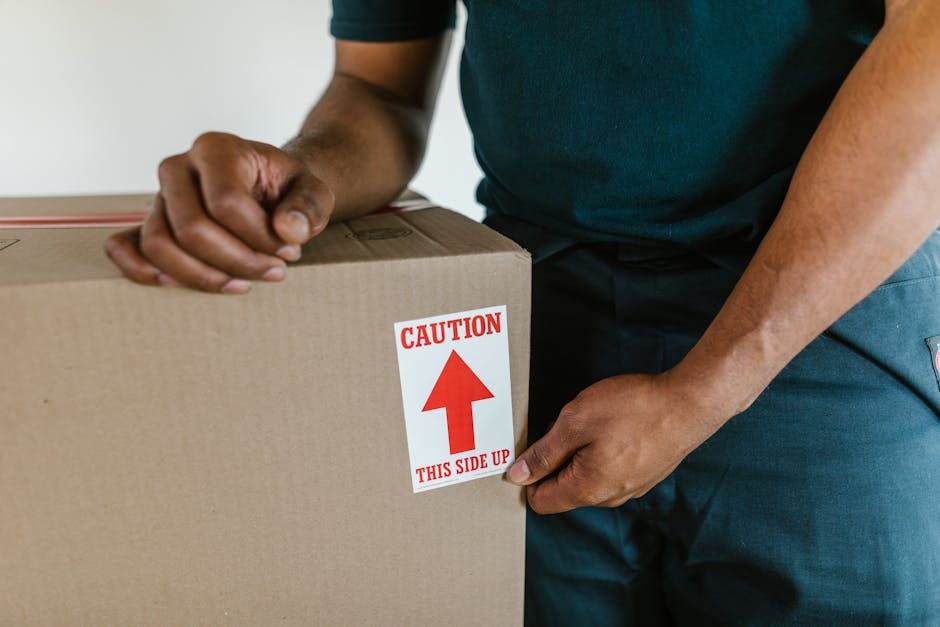
Common packing mistakes that delay Finsbury removals

If you are planning a move in Finsbury, the packing stage can make the whole day feel either smooth and manageable or oddly chaotic by 9 a.m. The truth is, common packing mistakes that delay Finsbury removals are usually not dramatic disasters. They are small, ordinary things: boxes packed too heavy, labels that mean nothing later, fragile items wrapped in a rush, or a kettle buried somewhere under winter jumpers. One or two of those and suddenly the van is waiting, the hallway is blocked, and everyone is doing that awkward "where did the tape go?" shuffle.
This guide looks at the mistakes that cause those delays, why they matter in a busy EC1 move, and what to do instead. If you want practical, local, no-nonsense advice that actually helps on moving day, you are in the right place.
Why Common packing mistakes that delay Finsbury removals Matters
Packing is not just about putting things in boxes. It sets the pace for the entire removal. In a place like Finsbury, where access can be tight, parking can be limited, and flats often involve stairs, lifts, or awkward corners, a packing mistake can become a timing problem very quickly. The van cannot leave if boxes are still being sealed. The crew cannot load efficiently if the hallway is filled with loose items. And if the first box that comes out contains missing essentials, you spend the first night hunting for basics instead of settling in.
That delay matters for more than convenience. It can affect labour time, vehicle scheduling, building access windows, and, in some cases, same-day arrangements. Even a fairly organised move can be thrown off by poor box planning. That is especially true for flat moves in Finsbury, where every extra minute spent repacking can ripple through the rest of the day.
Expert summary: The biggest packing delays usually come from disorganisation, overfilled boxes, weak labelling, and last-minute packing of essentials. Fix those four areas and the move already becomes much easier.
How Common packing mistakes that delay Finsbury removals Works
Delays happen because packing affects three things at once: speed, safety, and access. If any one of those fails, the whole process slows down.
Here is the simple chain reaction. Poor packing creates loose items, overloaded boxes, or unclear labels. That means more handling, slower loading, and more questions on the day. Questions take time. Time takes money. And if the job is squeezed into a busy London schedule, delays can become stressful very quickly. You do not need a dramatic event for that to happen. Sometimes one badly packed box is enough.
In our experience, the first slowdown often appears in the hallway. Someone is still taping box flaps. Another person is trying to find a phone charger. A third box has no label at all. It sounds minor, but by then the route to the front door is blocked and the removal team is waiting on decisions. If you have ever seen a move stall over a mystery box containing "random cables and maybe a toaster," you will know the feeling.
On the other hand, a well-packed home lets the process flow. Boxes stack properly. Fragile items are handled once, not twice. The loading order makes sense. And the team can move with steady rhythm rather than stopping every few minutes to sort out avoidable problems. If you are still building your plan, the guide to packing efficiently during relocation is a useful companion piece.
Key Benefits and Practical Advantages
Good packing is not about perfection. It is about removing friction. The more friction you remove before the van arrives, the faster the move feels.
- Less loading time: clearly packed boxes are quicker to carry and stack.
- Lower risk of damage: items are less likely to shift, crush, or scratch each other.
- Fewer last-minute decisions: labels and room grouping make unpacking simpler.
- Smoother communication: everyone knows what belongs where.
- Reduced stress: the day feels more controlled, even if the weather is miserable and the kettle has vanished.
- Better use of vehicle space: properly packed boxes fit more neatly in the van.
There is also a hidden benefit people often overlook: better packing helps you make better choices before moving day. You notice what you own. You notice what you do not need. That is where decluttering quietly saves the day. If your move feels overloaded already, it can help to streamline your move by decluttering effectively before the first box is even sealed.
Who This Is For and When It Makes Sense
This advice is useful for almost anyone moving in or out of Finsbury, but it is especially relevant if you are short on space, short on time, or moving into a property with awkward access. That covers a lot of people, to be fair.
- Flat movers: especially if you are dealing with stairwells, lifts, or shared entrances.
- House movers: more rooms usually means more opportunity for things to get mixed up.
- Students: quick moves often lead to rushed packing and too many flimsy bags.
- Office teams: files, tech, and desk items need a structured approach.
- Urgent movers: last-minute packing is where the biggest mistakes tend to appear.
- Anyone with fragile or bulky items: mirrors, lamps, kitchenware, instruments, and beds need proper handling.
If you are planning a fast turnaround, a local team offering same-day removals in Finsbury may still be able to help, but only if the packing is reasonably under control. A frantic packing job can eat up the very time you are trying to save.
And if your move is a first-time flat relocation, the advice becomes even more valuable. New movers often underestimate how long wrapping, labelling, and sorting actually take. It is normal. We all start somewhere.
Step-by-Step Guidance
Here is a cleaner way to pack so you do not hold up the move on the day.
- Sort before you pack. Do not pack everything just because you can. Decide what stays, what goes, what needs storage, and what should be recycled.
- Choose the right box for the right item. Small books in small boxes. Lightweight bedding in larger boxes. Heavy things in oversized boxes is where people go wrong.
- Pack room by room. Keep items from the same room together. It makes both loading and unpacking far easier.
- Wrap fragile items properly. Use paper, blankets, or suitable wrapping so glass, ceramics, and electronics do not knock against each other.
- Fill gaps inside boxes. Loose space lets items move and crush. Soft materials can help stop that.
- Label clearly on more than one side. Write the room and a short contents note. "Kitchen - mugs and plates" is much better than "misc."
- Prepare an essentials box. Keep chargers, toilet roll, snacks, tea, medicines, and key documents separate.
- Stage boxes in one place. A clear stacking area speeds up collection and reduces hallway clutter.
- Confirm access details early. If the van has to manoeuvre around a narrow street or restricted entry, every minute matters.
If you are trying to keep the move calm and avoid that last-hour wobble, the tone and pacing in mastering a calm house move can be surprisingly useful. A steady pace beats a heroic rush, every time.
Expert Tips for Better Results
Little things make a big difference here. Honestly, they really do.
- Use one colour per room if you can. A bit of coloured tape can save a lot of back-and-forth.
- Keep heavy items under control. Books, tools, and crockery should go in smaller boxes so nobody gets injured lifting them.
- Protect corners and edges. Tables, mirrors, and frames usually suffer at the edges first.
- Avoid overfilling carrier bags. They are fine for light soft items, but not for mixed heavy loads that swing and split.
- Pack a day earlier than you think. The final evening always disappears faster than planned.
- Keep paperwork separate. Lease documents, keys, and ID should not be in a random kitchen box.
- Take photos of awkward setups. Cables, TV brackets, and furniture fixings are much easier to restore if you can see how they looked before.
If you have heavy or oddly shaped belongings, it is worth reading up on safe handling too. For example, kinetic lifting explained gives a practical overview of how moving and lifting should feel when done properly. It is not about showing off. It is about keeping your back intact.
One more thing: if you own a piano, please do not wing it. That is one area where "it'll be fine" can age badly. The advice in avoiding piano moving disasters is worth a read before anyone tries to move a heavy instrument down a narrow stairwell.
Common Mistakes to Avoid
These are the packing errors that most often slow Finsbury removals down.
1. Packing too late
Last-minute packing creates panic packing. Panic packing creates bad labels, loose lids, and forgotten essentials. It also means the crew may arrive while you are still wrapping kitchen items, which is never ideal.
2. Making boxes too heavy
Heavy boxes slow loading because they are awkward to carry and harder to stack neatly. They are also more likely to split. Books, crockery, and vinyl all belong in sensible-sized boxes, not giant ones that need two people and a prayer.
3. Leaving items loose
If small items are scattered in drawers, bags, or open tubs, they become a sorting task on moving day. That sorting takes time. Sometimes lots of time.
4. Poor labelling
Labels should say what is inside and where it should go. If everything is marked "stuff," unpacking becomes a guessing game. Nobody enjoys that game.
5. Mixing fragile and heavy items
A mug under a cast-iron pan is not a clever use of space. It is a broken mug waiting to happen. Keep fragile goods separated and cushioned.
6. Ignoring awkward items
Bulky objects need planning. Beds, mattresses, sofas, and appliances all take extra time, extra handling, and sometimes extra protection. For larger furniture, the practical advice in moving your bed and mattress can save you a headache later.
7. Forgetting access constraints
In Finsbury, access can be part of the problem. Narrow entrances, timed parking, and tight corners mean the packing process should be neat enough that loading is quick and orderly. If your route is especially awkward, a local guide like narrow access removals in Bunhill Fields is relevant even if your exact street is different.
8. Not checking the weather or timing
A damp morning, a late start, or a busy road outside can all add pressure. You may not control the weather, obviously, but you can control whether your boxes are sealed properly before the rain starts coming down.
Tools, Resources and Recommendations
You do not need a van full of specialist kit to pack well, but a few basics make life easier.
- Sturdy boxes: use decent-quality boxes in a range of sizes.
- Packing tape: strong tape saves time and reduces failed box bottoms.
- Marker pens: clear, bold writing wins here.
- Paper or wrapping material: useful for dishes, glass, and ornaments.
- Blankets or pads: ideal for protecting furniture surfaces.
- Zip bags: good for screws, remote controls, and small fixings.
- Labels or coloured stickers: simple but effective for room sorting.
- One essentials bag: keep this with you, not in the back of the van.
For people who would rather not source everything individually, packing and boxes in Finsbury can be a practical place to start. And if the move is becoming too much to manage in one go, storage in Finsbury may be a sensible short-term option for the items you do not need immediately.
There is also a value in professional judgement. A good removal team will often spot problems early: a box that is too fragile, furniture that needs dismantling, or a layout that will be awkward when the van arrives. That kind of guidance can be the difference between a tidy move and a day that seems to keep slipping sideways.
Law, Compliance, Standards, or Best Practice
For a home move, packing itself is usually guided more by safety and common sense than by strict legal rules. Still, there are important best practices worth following.
Health and safety matters. Overloaded boxes, badly secured furniture, and unsafe lifting can lead to injury. If a box feels unreasonable to lift, it probably is. As a rule, smaller and better-balanced loads are easier to move and much safer for everyone involved.
Building and parking rules matter too. In London, moves can be slowed by restricted parking, loading bay limits, or building management requirements. That is why local planning matters. If your move involves borough-specific access or parking questions, it is wise to check the practical details well in advance and use a local service that understands the area. A useful starting point is Islington council rules for removals and parking.
Insurance and safety are worth checking. It is sensible to understand how your belongings are handled, what level of protection is offered, and what the expectations are if something is damaged or delayed. If you want more context on that side of the process, read the site's insurance and safety information.
Manual handling best practice should be respected. If you are moving heavy or awkward items, do not twist while lifting, do not rush stairs, and do not assume one person can always do the job safely. That sounds obvious, but on moving day obvious things get forgotten. It happens.
Options, Methods, or Comparison Table
There are a few common packing styles. Some work well. Some create delays almost immediately.
| Packing method | What it looks like | Delay risk | Best for |
|---|---|---|---|
| Room-by-room packing | Items from each room stay grouped together | Low | Most house and flat moves |
| Mixed-item packing | Anything goes into any available box | High | Not recommended unless you enjoy unpacking chaos |
| Fragile-first packing | Breakables are wrapped and separated before anything else | Low | Kitchens, ornaments, glassware |
| Last-minute packing | Boxes are sealed while the van is arriving | Very high | Only for emergencies, and even then it is messy |
| Decluttered packing | Only useful items are packed; the rest are sold, recycled, or stored | Low | Moves with limited time or space |
For most people, room-by-room plus decluttered packing is the sweet spot. It is simple, easy to follow, and it keeps the job moving. If you are trying to cut the volume before moving day, the advice in streamlining your move by decluttering effectively sits neatly alongside this approach.
Case Study or Real-World Example
Picture a typical Finsbury flat move on a slightly grey Friday morning. The van is booked for an early slot. The building has a narrow entrance, a lift that is shared with other residents, and a hallway that is just wide enough for trouble if boxes are left in the wrong place.
In one version of the move, the packing is rushed. Kitchen items are mixed with books. Boxes are unlabeled. Bedding is loose in bin bags. By the time the team arrives, the occupants are still searching for tape, scissors, and the phone charger. The loading starts late, the hallway gets cluttered, and the move runs behind before the first chair even leaves the property.
Now compare that to a better-packed version. Boxes are labelled clearly. Heavy items are kept small. Fragile items are wrapped in advance. An essentials bag is set aside by the front door. The loading order is obvious. The team can move steadily, the van space is used properly, and the day keeps its shape.
It is not glamorous, but it works. That is usually what people want on moving day anyway.
Practical Checklist
Use this as a final pre-move check. It is simple, but it catches the most common problems.
- All boxes are fully sealed and not bulging.
- Heavy items are packed in smaller boxes.
- Fragile items are wrapped and clearly marked.
- Every box has a room label.
- An essentials bag is ready and easy to reach.
- Furniture fixings and cables are stored in labelled bags.
- There is a clear path from each room to the door.
- Parking, access, and timing have been confirmed.
- Items going into storage are separated from immediate-use items.
- Nothing important is still loose in drawers or cupboards.
Quick reminder: if a room still looks "almost packed" the evening before, it is not almost packed. It is unfinished. That distinction matters more than people like to admit.
Conclusion
The best way to avoid delays during a Finsbury move is not to pack harder. It is to pack smarter. Most hold-ups come from the same familiar issues: late packing, poor labelling, overfilled boxes, weak planning, and items being mixed together without a system. Once you remove those problems, the move becomes calmer, quicker, and a lot less tiring.
That is especially true in Finsbury, where access, parking, stairs, and time windows can all make the smallest mistake feel larger than it should. A tidy, deliberate packing process gives you a real advantage. It helps the crew work efficiently, protects your belongings, and reduces that rushed, last-minute feeling nobody enjoys.
If you are still planning the move, the most useful next step is to slow down just enough to get the packing right. Not perfect. Just right. And honestly, that is usually enough.
Get a free quote today and see how much you can save.
For a little extra reassurance about the team behind the move, you can also learn more on the about us page, especially if you value working with people who understand the practical side of local removals.
Frequently Asked Questions
What are the most common packing mistakes that delay Finsbury removals?
The biggest ones are late packing, poor labelling, overfilled boxes, mixed fragile items, and forgetting essentials. These mistakes slow loading and make unpacking harder later.
How early should I start packing for a move in Finsbury?
It depends on the size of the move, but starting several days in advance is usually safer than leaving everything to the night before. Smaller homes can move faster, but even then early packing reduces stress.
Does bad labelling really slow a removal down?
Yes, it often does. If boxes are not labelled clearly, items can be loaded in the wrong order or placed in the wrong room, which means more handling and more time spent sorting later.
Should I use big boxes for heavy items to save time?
Usually no. Large boxes filled with heavy items are awkward, unsafe, and more likely to split. Smaller boxes are easier to carry and quicker to load.
What should go in an essentials box?
Keep daily basics separate: chargers, toiletries, toilet roll, snacks, a kettle if you need it, medications, key documents, and maybe a change of clothes. That way you are not opening ten boxes on the first night.
How can I pack fragile items without delaying moving day?
Wrap them early, keep them together, use enough cushioning, and label the box clearly. If you leave fragile items until the final hour, the packing always takes longer than expected.
Are packing mistakes worse for flat removals in Finsbury?
They can be, yes. Flats often involve narrow hallways, shared entrances, and tighter loading spaces, so disorganised packing creates bottlenecks very quickly.
What if I do not have enough packing materials?
Do not improvise too much with weak bags or mismatched containers. It is better to gather sturdy boxes, tape, and wrapping materials before you start. If needed, use a local option such as packing and boxes in Finsbury.
Can decluttering actually speed up my removal?
Absolutely. Fewer items mean fewer boxes, less tape, less lifting, and less loading time. Decluttering also makes it easier to decide what should be packed, stored, or recycled.
What packing issue causes the most stress on moving day?
Usually it is a combination of poor labelling and last-minute packing. When you cannot find what you need, everything feels urgent. A tidy plan removes a lot of that pressure.
Is it worth using storage if packing is becoming overwhelming?
It can be. If you are trying to move everything at once and the volume is too much, temporary storage may help you split the job into more manageable stages.
How do I avoid delays if I am moving on a tight schedule?
Pack early, label clearly, keep valuables and documents separate, and make sure access details are confirmed. If time is very tight, a local team familiar with urgent move options in Finsbury may be the safest route.
What should I do the night before the move?
Do a final walk-through, finish labels, prepare the essentials bag, confirm keys, and clear hallways. A calm final hour makes a surprising difference in the morning.
Where can I learn more about moving safely in Finsbury?
You can explore the site's practical removals resources, including move planning, safety, and local guidance. A good place to continue is the services overview if you want a broader view of what is available.